Consciousness Atlas एक इंटरैक्टिव वेब ऐप है जो चेतना के 450 से अधिक सिद्धांतों का दृश्य निरूपण करता है। यह रॉबर्ट लॉरेंस कुह्न के 2024 के शोधपत्र "A Landscape of Consciousness" पर आधारित है। यह Atlas उन सिद्धांतों को मानचित्रित करता है जो परिघटनात्मक चेतना से संबंधित हैं - अनुभव का आत्मनिष्ठ बोध, जैसे लाल का लालपन।
Atlas क्या है
यह Atlas कुह्न की वर्गिकी पर आधारित एक दृश्य संदर्भ है। यह सिद्धांतों के पूरे समूह को एक साथ प्रस्तुत करता है ताकि आप इस क्षेत्र का दृश्य रूप से अन्वेषण कर सकें और किसी भी सिद्धांत को खोलकर उसकी प्रविष्टि पढ़ सकें, ठीक एक विश्वकोश की तरह जिसमें संरचित प्रविष्टियाँ हों। प्रत्येक सिद्धांत प्रविष्टि में एक संक्षिप्त परिचय पंक्ति, वैचारिक आधार, सुझाया गया तंत्र, अनुभवजन्य टिप्पणियाँ, निहितार्थ और स्रोत दिखाए जाते हैं।
यह क्यों मौजूद है
चेतना का अध्ययन कई विषयों में किया जाता है - तंत्रिकाविज्ञान, दर्शन, और कभी-कभी आध्यात्मिक या असामान्य-अवस्था संबंधी शोध में। कुह्न का शोधपत्र सैकड़ों सिद्धांतों को एक ऐसे परिसर के साथ संग्रहित और व्यवस्थित करता है जो सर्वाधिक भौतिक से लेकर न्यूनतम भौतिक तक फैला है। यह Atlas उस व्यवस्था को दृश्य रूप देता है ताकि पाठक, विद्यार्थी और शोधकर्ता शीघ्रता से देख सकें कि विभिन्न स्थितियाँ आपस में कैसे संबंधित हैं और प्रत्येक सिद्धांत इस परिसर पर कहाँ स्थित है।
यह कैसे काम करता है
सिद्धांतों को ग्यारह मुख्य श्रेणियों में समूहित किया गया है, जिन्हें भौतिक-से-अभौतिक परिसर पर उनकी स्थिति के अनुसार क्रमित किया गया है: भौतिकवाद, अ-न्यूनकारी भौतिकवाद, क्वांटम और आयाम, सूचना, सर्वचेतनावाद, तटस्थ अद्वैतवाद, द्वैतवाद, प्रत्ययवाद, घटनाविज्ञान, असामान्य अवस्थाएँ और चुनौती सिद्धांत। यह ऐप पूरा मानचित्र एक साथ दिखाता है। किसी भी सिद्धांत पर क्लिक करके उसकी संरचित प्रविष्टि पढ़ें, जिसमें प्रामाणिक स्रोतों और नामित विचारकों के संदर्भ शामिल हैं।
यह किसके लिए है
- मन के दर्शन और संज्ञानात्मक विज्ञान का अध्ययन करने वाले विद्यार्थी
- एक-नज़र में तुलनात्मक संसाधन की तलाश करने वाले शोधकर्ता और व्याख्याता
- पत्रकार और लेखक जिन्हें विभिन्न स्थितियों की श्रेणी का त्वरित संदर्भ चाहिए
- जिज्ञासु पाठक जो यह स्पष्ट रूप से समझना चाहते हैं कि लोग चेतना की बात करते समय क्या अभिप्राय रखते हैं
Atlas क्या नहीं करता
यह Atlas किसी सिद्धांत का समर्थन या श्रेणीक्रम निर्धारण नहीं करता। यह कुह्न की वर्गिकी पर आधारित एक दृश्य निरूपण और संदर्भ है - संग्रह और प्रस्तुति, न कि निर्णय। यह चेतना की कठिन समस्या को हल करने का प्रयास नहीं करता। यह अन्वेषण और तुलना का एक उपकरण है।
कुह्न की ओर से एक टिप्पणी
कुह्न परियोजना के उद्देश्य को स्पष्ट रूप से बताते हैं: "संग्रह और वर्गीकरण करना, न कि आकलन और निर्णय।" Consciousness Atlas इसी दृष्टिकोण का अनुसरण करता है। डेटा और संरचना कुह्न के शोधपत्र से ली गई हैं; प्रतिक्रिया और सुझाए गए संशोधनों का स्वागत है, किंतु यह ऐप कुह्न के कार्य के ऊपर एक दृश्य निरूपण की परत मात्र है।
अपने मूल शोधपत्र 'A Landscape of Consciousness' के अतिरिक्त, जो इसका एकमात्र स्रोत है, कुह्न Consciousness Atlas के अभिकल्पन या सामग्री में शामिल नहीं थे।
अक्सर पूछे जाने वाले प्रश्न
परिघटनात्मक चेतना क्या है?
परिघटनात्मक चेतना आत्मनिष्ठ अनुभव को संदर्भित करती है - सजग होने का गुणात्मक बोध, जैसे कॉफ़ी का स्वाद या लाल का लालपन।
Atlas में कितने सिद्धांत शामिल हैं?
यह Atlas 450 से अधिक व्यक्तिगत सिद्धांतों का दृश्य निरूपण करता है, जिन्हें ग्यारह व्यापक श्रेणियों में समूहित किया गया है।
क्या Atlas बताता है कि कौन-सा सिद्धांत सत्य है?
नहीं। यह Atlas सिद्धांतों को निष्पक्ष रूप से प्रस्तुत करता है। यह एक मानचित्र है, किसी एकल स्थिति के पक्ष में कोई तर्क नहीं।
क्या Atlas अकादमिक है?
यह Atlas एक अकादमिक स्रोत - रॉबर्ट कुह्न के 2024 के शोधपत्र "A Landscape of Consciousness" - पर आधारित है और उपलब्ध होने पर प्रामाणिक स्रोतों से जोड़ता है।
सारांश
Consciousness Atlas एक सीधा-सादा दृश्य निरूपण उपकरण है: यह कुह्न की वर्गिकी को एक एकल, अन्वेषण-योग्य मानचित्र के रूप में प्रस्तुत करता है और उपयोगकर्ताओं को संरचित, संदर्भित सारांश पढ़ने के लिए अलग-अलग सिद्धांत प्रविष्टियाँ खोलने देता है। इसका अभिकल्पन इस जटिल क्षेत्र का सर्वेक्षण सरल बनाने और एक व्यावहारिक संदर्भ के रूप में काम करने के लिए किया गया है।
James's Plural Consciousness, Brain as Filter of a Wider Consciousness
Anomalous
Consciousness as Plural and Transmitted by the Brain
William James held that normal waking consciousness is one type of mind among many, separated by thin screens from mystical, trance, mediumistic, drug-induced, and other states that any full account of mind must study. He also argued that the brain’s undeniable role in thought does not show that it produces consciousness, since it could instead transmit and limit a wider consciousness, the way a prism shapes light it does not make.
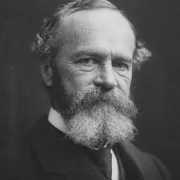 William James
What consciousness is
Consciousness may exist in a wider field that the brain admits, shapes, and limits; ordinary waking awareness is one special type within a plurality of forms.
Mind and body
James accepted that thought depends on the brain but argued that this dependence fits a transmissive or permissive function as well as a productive one. The brain may work like a prism, not like a steam engine producing steam.
Mechanism
Transmission: if the brain transmits consciousness, lowering its threshold lets more of a pre-existing wider field through, so unusual knowledge need not be produced from sensations at all.
Core claims
- Functional dependence of thought on the brain fits production, release, and transmission equally, so the step from dependence to production is invalid.
- Nitrous oxide experiments led James to conclude that waking rational consciousness is ‘but one special type’ of consciousness.
- Mystical states share four marks: ineffability and noetic quality (jointly sufficient), plus transiency and passivity (usual but not required).
- Mediumship investigations, chiefly of Leonora Piper, produced reports of knowledge apparently unavailable through the senses, which the transmission theory makes tractable.
Criticisms
Critics say transmission and production cannot be told apart without independent evidence for the wider field, and production is more parsimonious. A deeper objection is that James advanced the theory to defend the possibility of immortality, and its support came from psychical research whose results have not consolidated.
Implications
- Survival beyond death: Possible
- James defended only the bare possibility of immortality: if the brain transmits consciousness, its death need not end consciousness, but he did not claim this was established.
- Meaning and purpose: Uncertain
- Mystical states forbid a premature closing of accounts with reality, yet James held they carry authority only for those who have them.
Related theories
Sources
- Human Immortality: Two Supposed Objections to the Doctrine, William James (1898)
- The Varieties of Religious Experience: A Study in Human Nature, William James (1902)
- The Principles of Psychology, William James (1890)
- A Pluralistic Universe, William James (1909)
- Essays in Radical Empiricism, William James
- Matter and Memory, Henri Bergson (1896)
- The Doors of Perception, Aldous Huxley (1954)
- Psychic Phenomena and the Mind–Body Problem: Historical Notes on a Neglected Conceptual Tradition, C. S. Alvarado (2012)
- William James, Gustav Fechner, and Early Psychophysics, S. L. Hawkins (2011)
Explore all theories on the Consciousness Atlas · Compare James's Plural Consciousness, Brain as Filter of a Wider Consciousness with other theories · Which theory of consciousness fits you?
