Consciousness Atlas एक इंटरैक्टिव वेब ऐप है जो चेतना के 450 से अधिक सिद्धांतों का दृश्य निरूपण करता है। यह रॉबर्ट लॉरेंस कुह्न के 2024 के शोधपत्र "A Landscape of Consciousness" पर आधारित है। यह Atlas उन सिद्धांतों को मानचित्रित करता है जो परिघटनात्मक चेतना से संबंधित हैं - अनुभव का आत्मनिष्ठ बोध, जैसे लाल का लालपन।
Atlas क्या है
यह Atlas कुह्न की वर्गिकी पर आधारित एक दृश्य संदर्भ है। यह सिद्धांतों के पूरे समूह को एक साथ प्रस्तुत करता है ताकि आप इस क्षेत्र का दृश्य रूप से अन्वेषण कर सकें और किसी भी सिद्धांत को खोलकर उसकी प्रविष्टि पढ़ सकें, ठीक एक विश्वकोश की तरह जिसमें संरचित प्रविष्टियाँ हों। प्रत्येक सिद्धांत प्रविष्टि में एक संक्षिप्त परिचय पंक्ति, वैचारिक आधार, सुझाया गया तंत्र, अनुभवजन्य टिप्पणियाँ, निहितार्थ और स्रोत दिखाए जाते हैं।
यह क्यों मौजूद है
चेतना का अध्ययन कई विषयों में किया जाता है - तंत्रिकाविज्ञान, दर्शन, और कभी-कभी आध्यात्मिक या असामान्य-अवस्था संबंधी शोध में। कुह्न का शोधपत्र सैकड़ों सिद्धांतों को एक ऐसे परिसर के साथ संग्रहित और व्यवस्थित करता है जो सर्वाधिक भौतिक से लेकर न्यूनतम भौतिक तक फैला है। यह Atlas उस व्यवस्था को दृश्य रूप देता है ताकि पाठक, विद्यार्थी और शोधकर्ता शीघ्रता से देख सकें कि विभिन्न स्थितियाँ आपस में कैसे संबंधित हैं और प्रत्येक सिद्धांत इस परिसर पर कहाँ स्थित है।
यह कैसे काम करता है
सिद्धांतों को ग्यारह मुख्य श्रेणियों में समूहित किया गया है, जिन्हें भौतिक-से-अभौतिक परिसर पर उनकी स्थिति के अनुसार क्रमित किया गया है: भौतिकवाद, अ-न्यूनकारी भौतिकवाद, क्वांटम और आयाम, सूचना, सर्वचेतनावाद, तटस्थ अद्वैतवाद, द्वैतवाद, प्रत्ययवाद, घटनाविज्ञान, असामान्य अवस्थाएँ और चुनौती सिद्धांत। यह ऐप पूरा मानचित्र एक साथ दिखाता है। किसी भी सिद्धांत पर क्लिक करके उसकी संरचित प्रविष्टि पढ़ें, जिसमें प्रामाणिक स्रोतों और नामित विचारकों के संदर्भ शामिल हैं।
यह किसके लिए है
- मन के दर्शन और संज्ञानात्मक विज्ञान का अध्ययन करने वाले विद्यार्थी
- एक-नज़र में तुलनात्मक संसाधन की तलाश करने वाले शोधकर्ता और व्याख्याता
- पत्रकार और लेखक जिन्हें विभिन्न स्थितियों की श्रेणी का त्वरित संदर्भ चाहिए
- जिज्ञासु पाठक जो यह स्पष्ट रूप से समझना चाहते हैं कि लोग चेतना की बात करते समय क्या अभिप्राय रखते हैं
Atlas क्या नहीं करता
यह Atlas किसी सिद्धांत का समर्थन या श्रेणीक्रम निर्धारण नहीं करता। यह कुह्न की वर्गिकी पर आधारित एक दृश्य निरूपण और संदर्भ है - संग्रह और प्रस्तुति, न कि निर्णय। यह चेतना की कठिन समस्या को हल करने का प्रयास नहीं करता। यह अन्वेषण और तुलना का एक उपकरण है।
कुह्न की ओर से एक टिप्पणी
कुह्न परियोजना के उद्देश्य को स्पष्ट रूप से बताते हैं: "संग्रह और वर्गीकरण करना, न कि आकलन और निर्णय।" Consciousness Atlas इसी दृष्टिकोण का अनुसरण करता है। डेटा और संरचना कुह्न के शोधपत्र से ली गई हैं; प्रतिक्रिया और सुझाए गए संशोधनों का स्वागत है, किंतु यह ऐप कुह्न के कार्य के ऊपर एक दृश्य निरूपण की परत मात्र है।
अपने मूल शोधपत्र 'A Landscape of Consciousness' के अतिरिक्त, जो इसका एकमात्र स्रोत है, कुह्न Consciousness Atlas के अभिकल्पन या सामग्री में शामिल नहीं थे।
अक्सर पूछे जाने वाले प्रश्न
परिघटनात्मक चेतना क्या है?
परिघटनात्मक चेतना आत्मनिष्ठ अनुभव को संदर्भित करती है - सजग होने का गुणात्मक बोध, जैसे कॉफ़ी का स्वाद या लाल का लालपन।
Atlas में कितने सिद्धांत शामिल हैं?
यह Atlas 450 से अधिक व्यक्तिगत सिद्धांतों का दृश्य निरूपण करता है, जिन्हें ग्यारह व्यापक श्रेणियों में समूहित किया गया है।
क्या Atlas बताता है कि कौन-सा सिद्धांत सत्य है?
नहीं। यह Atlas सिद्धांतों को निष्पक्ष रूप से प्रस्तुत करता है। यह एक मानचित्र है, किसी एकल स्थिति के पक्ष में कोई तर्क नहीं।
क्या Atlas अकादमिक है?
यह Atlas एक अकादमिक स्रोत - रॉबर्ट कुह्न के 2024 के शोधपत्र "A Landscape of Consciousness" - पर आधारित है और उपलब्ध होने पर प्रामाणिक स्रोतों से जोड़ता है।
सारांश
Consciousness Atlas एक सीधा-सादा दृश्य निरूपण उपकरण है: यह कुह्न की वर्गिकी को एक एकल, अन्वेषण-योग्य मानचित्र के रूप में प्रस्तुत करता है और उपयोगकर्ताओं को संरचित, संदर्भित सारांश पढ़ने के लिए अलग-अलग सिद्धांत प्रविष्टियाँ खोलने देता है। इसका अभिकल्पन इस जटिल क्षेत्र का सर्वेक्षण सरल बनाने और एक व्यावहारिक संदर्भ के रूप में काम करने के लिए किया गया है।
Bayne’s Unified, Multidimensional Consciousness: Structure Before Mechanism
Materialism › Philosophical
Consciousness as One Unified, Multidimensional Field
Tim Bayne argues that consciousness science is too immature for detailed mechanistic theories and should first fix the structural constraints any theory must meet. His Unity Thesis holds that all of a subject’s simultaneous experiences are necessarily parts of one total conscious state. He also argues that global states such as sleep, anesthesia, and psychedelic states vary along several dimensions rather than one ‘level’ of consciousness.
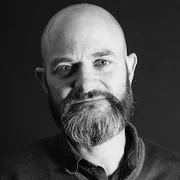 Tim Bayne
What consciousness is
Bayne makes no claim about what consciousness is. He claims that a subject’s phenomenal field is one experience with parts, not a collection of experiences that happen to co-occur.
Mind and body
Bayne takes no stand on physicalism. The Unity Thesis is a claim about the structure of experience and constrains dualist and idealist theories as much as materialist ones.
Mechanism
Structure before mechanism. Phenomenal unity, defined as subsumption of experiences under a single encompassing phenomenal state, is a constraint any mechanism must explain, not itself a mechanism.
Core claims
- Necessarily, all of a subject’s simultaneous conscious states are subsumed by a single total conscious state.
- In split-brain patients, conscious perception switches between hemispheres rather than splitting into two streams; apparent disunity reflects shifts in attention.
- Global states cannot be ranked on one scale: psychedelic states heighten some dimensions and degrade others, so no single number can report a subject’s conscious state.
- None of IIT’s five axioms is genuinely axiomatic or substantively constraining.
Criticisms
Schechter defends a two-subjects reading of split-brain cases, and Duindam argues the Unity Thesis becomes trivial unless ‘subject’ is specified more precisely than Bayne does. Pinto and colleagues report divided perception with undivided consciousness in split-brain subjects, which bears on the switch model.
Implications
- AI consciousness: Uncertain
- Bayne treats AI consciousness as an open question for validated tests of consciousness rather than something settled in advance.
Related theories
Sources
- The Unity of Consciousness and the Split-Brain Syndrome, Tim Bayne (2008)
- The Unity of Consciousness, Tim Bayne (2010)
- On the Axiomatic Foundations of the Integrated Information Theory of Consciousness, Tim Bayne (2018)
- Dimensions of Consciousness and the Psychedelic State, Tim Bayne and O. Carter (2018)
- What Is the Unity of Consciousness?, Tim Bayne and David J. Chalmers (2003)
- Are There Levels of Consciousness?, Tim Bayne, J. Hohwy and A. M. Owen (2016)
- Are There Islands of Awareness?, Tim Bayne, A. K. Seth and M. Massimini (2020)
- Tests for Consciousness in Humans and Beyond, Tim Bayne, A. K. Seth, M. Massimini et al. (2024)
- Self-Consciousness and ‘Split’ Brains: The Minds’ I, E. Schechter (2018)
- Split Brain: Divided Perception but Undivided Consciousness, Y. Pinto et al. (2017)
Explore all theories on the Consciousness Atlas · Compare Bayne’s Unified, Multidimensional Consciousness: Structure Before Mechanism with other theories · Which theory of consciousness fits you?
