Consciousness Atlas एक इंटरैक्टिव वेब ऐप है जो चेतना के 450 से अधिक सिद्धांतों का दृश्य निरूपण करता है। यह रॉबर्ट लॉरेंस कुह्न के 2024 के शोधपत्र "A Landscape of Consciousness" पर आधारित है। यह Atlas उन सिद्धांतों को मानचित्रित करता है जो परिघटनात्मक चेतना से संबंधित हैं - अनुभव का आत्मनिष्ठ बोध, जैसे लाल का लालपन।
Atlas क्या है
यह Atlas कुह्न की वर्गिकी पर आधारित एक दृश्य संदर्भ है। यह सिद्धांतों के पूरे समूह को एक साथ प्रस्तुत करता है ताकि आप इस क्षेत्र का दृश्य रूप से अन्वेषण कर सकें और किसी भी सिद्धांत को खोलकर उसकी प्रविष्टि पढ़ सकें, ठीक एक विश्वकोश की तरह जिसमें संरचित प्रविष्टियाँ हों। प्रत्येक सिद्धांत प्रविष्टि में एक संक्षिप्त परिचय पंक्ति, वैचारिक आधार, सुझाया गया तंत्र, अनुभवजन्य टिप्पणियाँ, निहितार्थ और स्रोत दिखाए जाते हैं।
यह क्यों मौजूद है
चेतना का अध्ययन कई विषयों में किया जाता है - तंत्रिकाविज्ञान, दर्शन, और कभी-कभी आध्यात्मिक या असामान्य-अवस्था संबंधी शोध में। कुह्न का शोधपत्र सैकड़ों सिद्धांतों को एक ऐसे परिसर के साथ संग्रहित और व्यवस्थित करता है जो सर्वाधिक भौतिक से लेकर न्यूनतम भौतिक तक फैला है। यह Atlas उस व्यवस्था को दृश्य रूप देता है ताकि पाठक, विद्यार्थी और शोधकर्ता शीघ्रता से देख सकें कि विभिन्न स्थितियाँ आपस में कैसे संबंधित हैं और प्रत्येक सिद्धांत इस परिसर पर कहाँ स्थित है।
यह कैसे काम करता है
सिद्धांतों को ग्यारह मुख्य श्रेणियों में समूहित किया गया है, जिन्हें भौतिक-से-अभौतिक परिसर पर उनकी स्थिति के अनुसार क्रमित किया गया है: भौतिकवाद, अ-न्यूनकारी भौतिकवाद, क्वांटम और आयाम, सूचना, सर्वचेतनावाद, तटस्थ अद्वैतवाद, द्वैतवाद, प्रत्ययवाद, घटनाविज्ञान, असामान्य अवस्थाएँ और चुनौती सिद्धांत। यह ऐप पूरा मानचित्र एक साथ दिखाता है। किसी भी सिद्धांत पर क्लिक करके उसकी संरचित प्रविष्टि पढ़ें, जिसमें प्रामाणिक स्रोतों और नामित विचारकों के संदर्भ शामिल हैं।
यह किसके लिए है
- मन के दर्शन और संज्ञानात्मक विज्ञान का अध्ययन करने वाले विद्यार्थी
- एक-नज़र में तुलनात्मक संसाधन की तलाश करने वाले शोधकर्ता और व्याख्याता
- पत्रकार और लेखक जिन्हें विभिन्न स्थितियों की श्रेणी का त्वरित संदर्भ चाहिए
- जिज्ञासु पाठक जो यह स्पष्ट रूप से समझना चाहते हैं कि लोग चेतना की बात करते समय क्या अभिप्राय रखते हैं
Atlas क्या नहीं करता
यह Atlas किसी सिद्धांत का समर्थन या श्रेणीक्रम निर्धारण नहीं करता। यह कुह्न की वर्गिकी पर आधारित एक दृश्य निरूपण और संदर्भ है - संग्रह और प्रस्तुति, न कि निर्णय। यह चेतना की कठिन समस्या को हल करने का प्रयास नहीं करता। यह अन्वेषण और तुलना का एक उपकरण है।
कुह्न की ओर से एक टिप्पणी
कुह्न परियोजना के उद्देश्य को स्पष्ट रूप से बताते हैं: "संग्रह और वर्गीकरण करना, न कि आकलन और निर्णय।" Consciousness Atlas इसी दृष्टिकोण का अनुसरण करता है। डेटा और संरचना कुह्न के शोधपत्र से ली गई हैं; प्रतिक्रिया और सुझाए गए संशोधनों का स्वागत है, किंतु यह ऐप कुह्न के कार्य के ऊपर एक दृश्य निरूपण की परत मात्र है।
अपने मूल शोधपत्र 'A Landscape of Consciousness' के अतिरिक्त, जो इसका एकमात्र स्रोत है, कुह्न Consciousness Atlas के अभिकल्पन या सामग्री में शामिल नहीं थे।
अक्सर पूछे जाने वाले प्रश्न
परिघटनात्मक चेतना क्या है?
परिघटनात्मक चेतना आत्मनिष्ठ अनुभव को संदर्भित करती है - सजग होने का गुणात्मक बोध, जैसे कॉफ़ी का स्वाद या लाल का लालपन।
Atlas में कितने सिद्धांत शामिल हैं?
यह Atlas 450 से अधिक व्यक्तिगत सिद्धांतों का दृश्य निरूपण करता है, जिन्हें ग्यारह व्यापक श्रेणियों में समूहित किया गया है।
क्या Atlas बताता है कि कौन-सा सिद्धांत सत्य है?
नहीं। यह Atlas सिद्धांतों को निष्पक्ष रूप से प्रस्तुत करता है। यह एक मानचित्र है, किसी एकल स्थिति के पक्ष में कोई तर्क नहीं।
क्या Atlas अकादमिक है?
यह Atlas एक अकादमिक स्रोत - रॉबर्ट कुह्न के 2024 के शोधपत्र "A Landscape of Consciousness" - पर आधारित है और उपलब्ध होने पर प्रामाणिक स्रोतों से जोड़ता है।
सारांश
Consciousness Atlas एक सीधा-सादा दृश्य निरूपण उपकरण है: यह कुह्न की वर्गिकी को एक एकल, अन्वेषण-योग्य मानचित्र के रूप में प्रस्तुत करता है और उपयोगकर्ताओं को संरचित, संदर्भित सारांश पढ़ने के लिए अलग-अलग सिद्धांत प्रविष्टियाँ खोलने देता है। इसका अभिकल्पन इस जटिल क्षेत्र का सर्वेक्षण सरल बनाने और एक व्यावहारिक संदर्भ के रूप में काम करने के लिए किया गया है।
Singer and Melloni’s Large-Scale Synchrony
Materialism › Electromagnetic
Consciousness as Large-Scale Neural Synchrony
Wolf Singer and Lucia Melloni argue that consciousness arises from transient synchronization of neural assemblies across distant brain regions, rather than from activity in any particular area. Long-range gamma-band synchrony, paced by slower theta rhythms, binds separately computed features into one percept and separates conscious from unconscious processing.
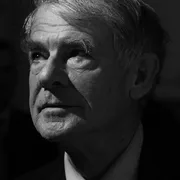 Wolf Singer
 Lucia Melloni
What consciousness is
Consciousness is a mode of coordination: the temporal alignment of distributed neural processes across distant brain areas. Singer and Melloni call the theory interaction-based rather than content-based or location-based.
Mind and body
Consciousness is an emergent property of metastable brain dynamics. It arises from the dynamical configuration of activity rather than from the anatomical substrate as such.
Mechanism
Binding by synchrony: distributed neurons that oscillate in phase form coherent assemblies, and long-range gamma synchrony across specialized regions marks conscious perception.
Core claims
- Co-activation of feature-specific neurons is not enough for conscious perception; the neurons must also oscillate in synchrony.
- EEG and intracranial studies of masking, binocular rivalry, and attentional blink link conscious perception with brief long-range synchronization.
- Unconscious processing, even when semantically rich, stays local and lacks long-range synchrony.
- Gamma synchrony tracks the updating of conscious content and theta oscillations its maintenance.
Criticisms
Singer and Melloni set their view against Global Workspace Theory, which locates consciousness in fronto-parietal broadcasting, and against local recurrent theories, which locate it in feedback within sensory areas. Showing that synchrony correlates with consciousness does not by itself show that it constitutes it.
Implications
- AI consciousness: Uncertain
- If consciousness lies in the dynamical configuration of interacting units, a system with comparable large-scale synchrony might qualify, but Singer and Melloni frame the account for biological brains.
- Survival beyond death: No
- Since consciousness is a mode of coordination among living neural assemblies, it ends when that activity stops.
- Virtual immortality: Uncertain
- The view ties consciousness to dynamics rather than anatomy, which leaves open, but does not settle, whether a faithful dynamical copy could be conscious.
Related theories
Sources
- Singer and Melloni’s Large-Scale Synchrony, Wolf Singer and Lucia Melloni (2010)
Explore all theories on the Consciousness Atlas · Compare Singer and Melloni’s Large-Scale Synchrony with other theories · Which theory of consciousness fits you?
